Monty Don Urges: These Are 4 Must-Do Gardening Tasks for February
February can feel like the garden is stuck in neutral—cold mornings, soggy soil, and not much “happening” at first glance. But this is actually when the garden quietly wakes up, and the small wins you stack now decide how frantic (or calm) spring will feel. The trick is to work with the weather, not against it—grab the dry, workable days and do the jobs that are awkward once everything starts growing fast.
Below are four February jobs that consistently make the biggest difference later on: pruning while plants are still easy to read, starting a few key crops under cover, preparing potatoes and early edibles for a head start, and mulching before bulbs and border growth gets in the way.
Prune with purpose while you can still see the plant
Late-winter pruning isn’t about being brutal for the sake of it. It’s about timing. In February, the structure of shrubs and climbers is still visible, buds are swelling, and many plants are close to switching on. Prune now and you guide that energy into better shape, stronger growth, and (for flowers and fruit) a more generous season. Leave it too late and you’re snipping blind through fresh growth—or putting it off entirely because everything suddenly looks too busy.
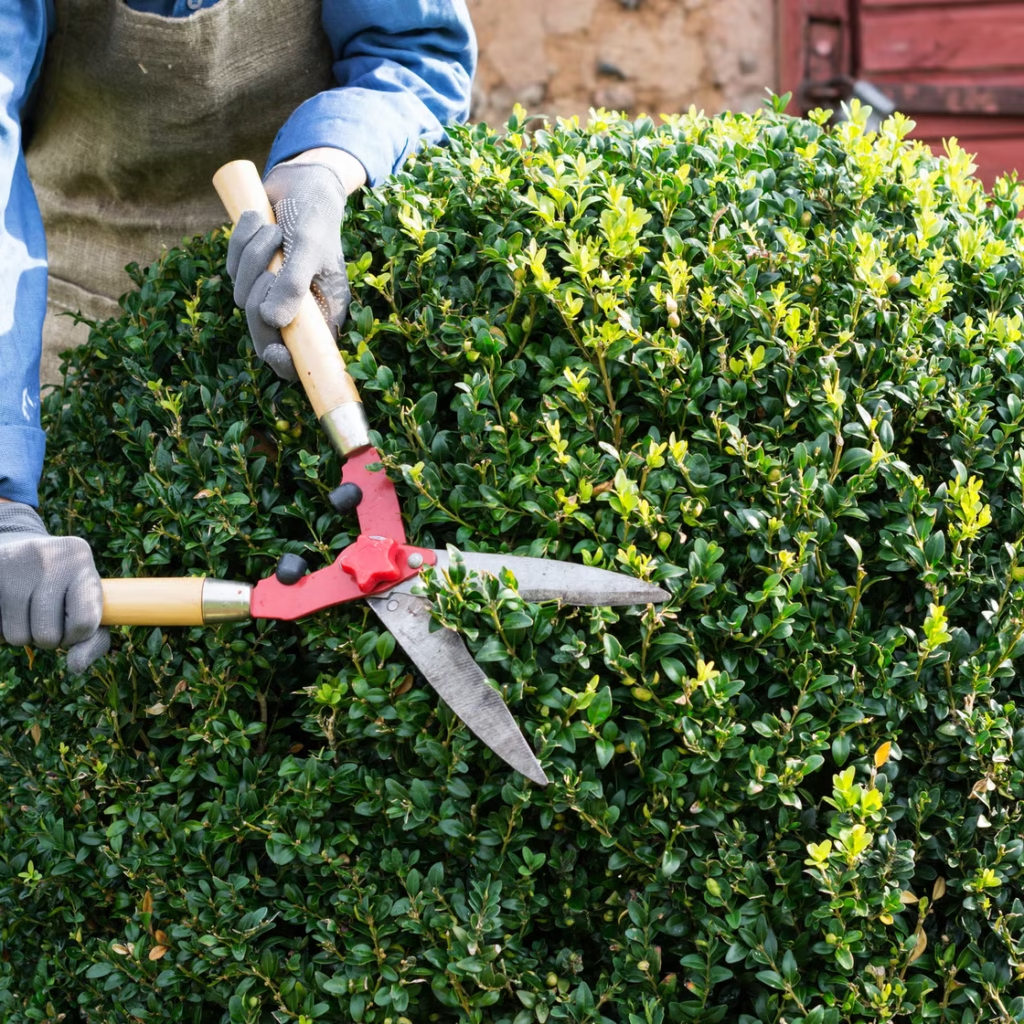 The biggest pruning rule is simple: make clean cuts with the right tool. Sharp secateurs for thin stems, loppers when you’d otherwise strain your hand, and a pruning saw for anything thicker. Clean cuts heal faster and do less damage. Avoid “painting” pruning wounds; most plants seal them naturally. And don’t do random snips—always cut back to something, like just above a bud, leaf, or junction, so the plant knows where to grow next.
If you want the most impact for your effort, focus on the plants that really respond to late-winter pruning.
Roses are a classic February job because they can take it, and they reward you for it. The overall aim is to remove weak, damaged, or crossing growth and encourage an open shape so air and light can move through. The practical result is fewer problems and better flowering later.
Clematis is where many gardeners panic, but the easiest approach is to prune based on when it flowers. Late-flowering clematis (often called Group Three) is pruned hard in February because it flowers on new growth made in spring. Clearing the old stems now creates space for strong new flowering shoots.
Buddleia (butterfly bush) also flowers on new growth, so February is an ideal window in milder areas, or slightly later if you live somewhere colder. Cutting it back encourages fresh shoots and more flowers, with less woody bulk.
If you’re outside the UK, don’t get hung up on the calendar date. Use the logic instead: prune when plants are still mostly dormant, but close enough to growth that recovery will be quick. If hard frost is likely, wait for a mild spell so you’re not leaving fresh cuts exposed to extreme cold.
Start sowing under cover, but be picky about what you start
February is when the greenhouse, windowsill, or propagator starts to feel busy again. But there’s a trap here: sowing too much too soon. The win is choosing a small set of crops that genuinely benefit from an early start, then giving them what they need—warmth to germinate, and strong light once they’re up.
Tomatoes are a good example because an early sowing can give you a longer cropping season. Sow thinly into trays or small pots filled with peat-free compost, cover lightly, water gently, and keep warm until germination. Once seedlings appear, the priority flips from warmth to light. Strong light stops them stretching into weak, floppy growth. When the first true leaves show (the first leaves that actually look like tomato leaves), that’s the sign they’re ready to move into individual pots where they can develop stronger roots.
Chillies are another crop that benefits from an early start because they naturally take longer to mature. They usually want real warmth to germinate—often around 20°C or more—so a heated mat, propagator, or a consistently warm indoor spot makes a big difference. After germination, bright light matters again, because you’re raising a plant that needs time to become sturdy before it ever thinks about fruit.
The best February mindset is not “start everything,” but “start what will thank you later.” If your space is limited, prioritize long-season crops (like chillies), and crops where a second sowing later is easy insurance (like tomatoes).
Chit potatoes and prep early edibles for a head start
This is the kind of job that looks almost too simple to matter—until you see the payoff.
Potatoes sprout naturally in the dark, but those pale, stretched sprouts are weak. Chitting means giving seed potatoes light so they form short, sturdy, knobbly sprouts instead. Those tougher sprouts are primed to grow away faster once planted, which is especially useful for early crops and in places where you want plants moving quickly. The method is straightforward: set seed potatoes in a tray or egg box with the “eyes” facing upward, then place them somewhere bright, cool, and frost-free. Over the next few weeks you’ll see sturdier sprouts forming, ready for planting when the soil has warmed enough.
Alongside chitting, February is also a smart time to prepare for early sowings—especially broad beans in many climates. If the soil is workable and not waterlogged or frozen, sowing now can mean earlier picking later on. But soil readiness matters more than the date. Forcing seed into cold, sticky ground usually backfires, leading to rot or weak growth.
Think of this section as “quiet preparation.” You’re not trying to rush spring into existence. You’re setting up the pieces—sprouting seed potatoes, getting an early sowing in when conditions allow, and making sure your vegetable garden can move quickly when temperatures lift.
Mulch and mend now, before growth makes everything harder
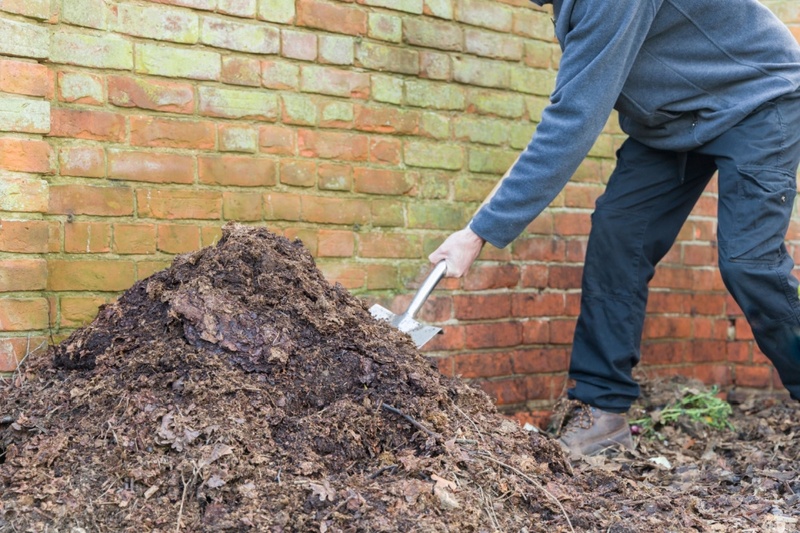
Mulching sounds like a boring chore—until you notice how much time it saves later.
February is the perfect window to mulch borders before bulbs and early perennials get tall and floppy. Once leaves are everywhere, it’s fiddly to spread compost or well-rotted organic matter without snapping growth. Done earlier, mulching becomes a clean, satisfying job that sets the tone for the entire season.
A proper mulch layer gives you very specific benefits. It suppresses weeds, helps lock moisture into the soil, and improves soil structure as it breaks down. As worms and soil life pull organic matter down, the soil becomes easier to work, drains better when it’s wet, holds moisture better when it’s dry, and generally supports healthier plants.
February is also when it makes sense to do the unglamorous repairs that spring will punish you for ignoring. Use the clearer, workable days to get the garden “ready”: turn compost, fix edging, tidy paths, clean pots, check tools, and repair supports. Once spring growth really kicks in, these jobs become annoying interruptions.
February isn’t about doing more. It’s about doing the right things while the garden still gives you access. Prune while you can clearly read the framework, sow a select few crops under cover, get potatoes sprouting in good light, and mulch before the borders close up. Then spring arrives, and instead of scrambling… you’re already ahead.

Jillian Harris Net Worth and Age. Nose Job, Height, Wiki

Who is Brittany Picolo-Ramos Husband? Her Wiki Biography.

Hilary Farr Age, Net Worth, House, Illness, Height
About Author
