Rachel de Thame’s Health Journey: The Illness That Changed Her Perspective, and the Family Life She Protects
Rachel de Thame has always had the kind of screen presence that feels calm, grounded, and quietly elegant. Long before she became one of the most familiar faces in British gardening television, she trained at the Royal Ballet School, then rebuilt her path after glandular fever forced her to step away from dance. From there, she moved through modeling and eventually formal horticultural training, a pivot that became the foundation of her broadcasting career.
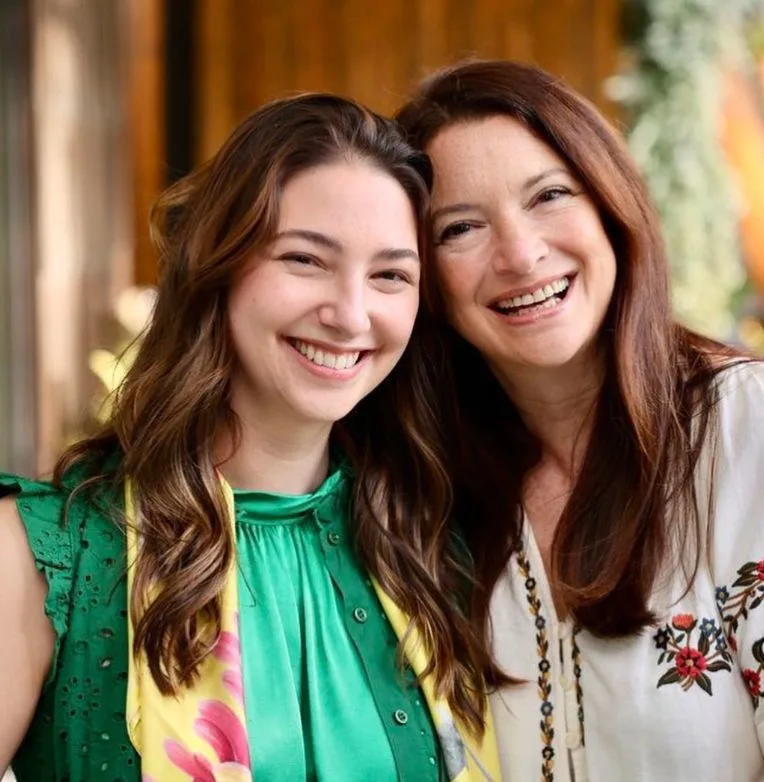
Her rise on Gardeners’ World turned that second act into a defining public identity. She has been part of the BBC gardening landscape since 1999 and has remained closely associated with major RHS coverage, especially Chelsea. In parallel, she built a respected writing and presenting portfolio, including books, columns, and design work. Public bios also describe her as deeply involved in garden-and-wellbeing advocacy, including ambassador work with the National Garden Scheme.
The most serious personal chapter came when de Thame revealed on air during Chelsea coverage that she had been diagnosed with Br3ast C@ncer. She explained that she had stepped back from regular broadcasting while undergoing treatment and said she was doing well, with the Illness “caught early.” That early detection became a major reason the story struck such a hopeful note, even in a frightening moment.
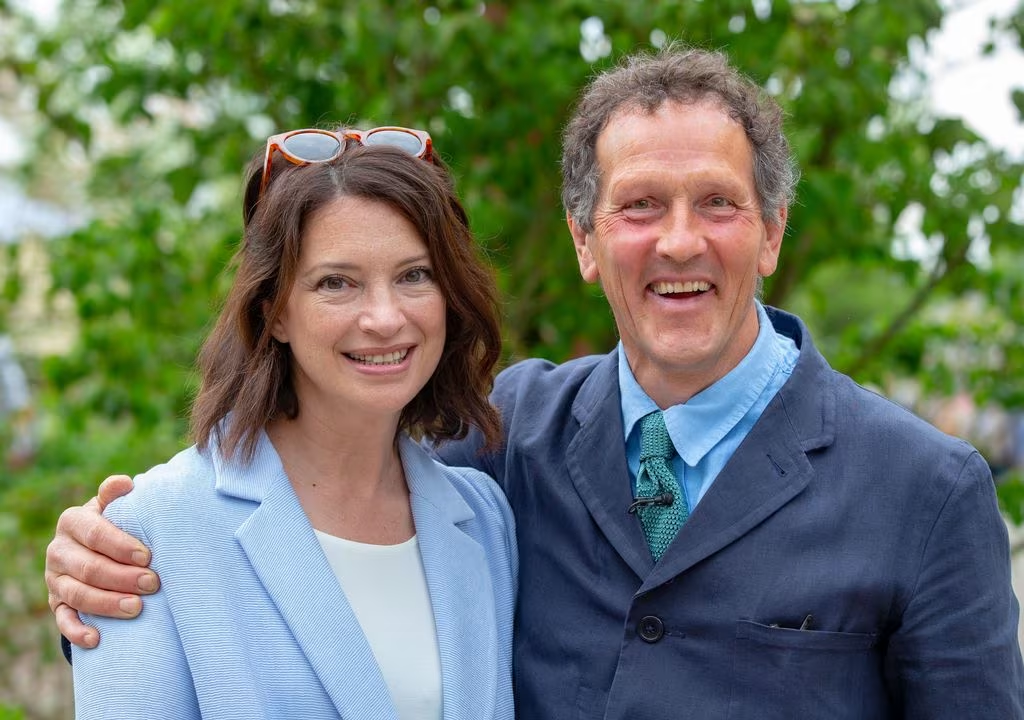
What made her comments especially memorable was not only the diagnosis itself, but how candidly she connected illness to daily life and work. She said it was better not to be working too much while in treatment, and she used the platform to stress something she felt mattered for anyone dealing with chronic illness: the restorative value of being outdoors and in a garden. It wasn’t presented as a cure-all, but as a practical emotional anchor during uncertainty.
Later reflections added more emotional texture. In a 2022 magazine excerpt, she described being in hospital for chemotherapy and looking out at a tree as a source of comfort, suggesting how strongly she leaned on nature through treatment. Coverage of her post-diagnosis writing also describes a “fresh perspective,” with attention turning toward how she wanted her garden to look and feel in the next season of life. That framing—future-facing, tangible, seasonal—sounds exactly like de Thame: reflective, but never performative.
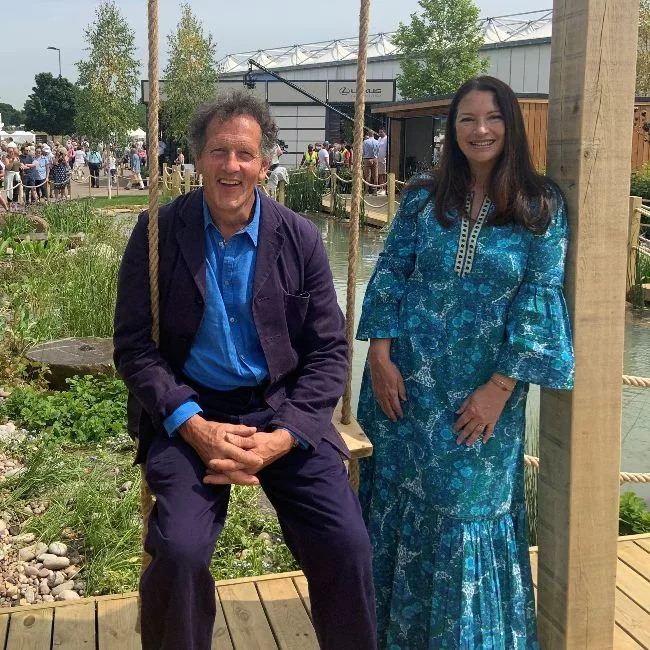
If you’re looking for a hard “health update” in the tabloid sense, there does not appear to be a recent, verified public announcement of a new c @ n c e r crisis in major outlets reviewed here. What is visible instead is continued professional activity: recent interviews, event appearances, ongoing Gardeners’ World involvement, and public-facing garden projects. In other words, the public record points to active work life after treatment, rather than withdrawal.
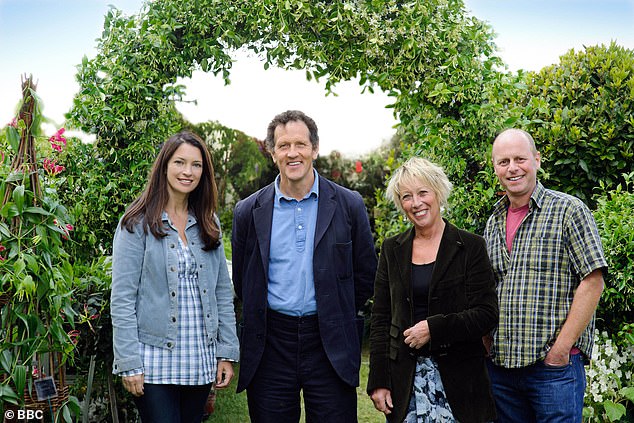
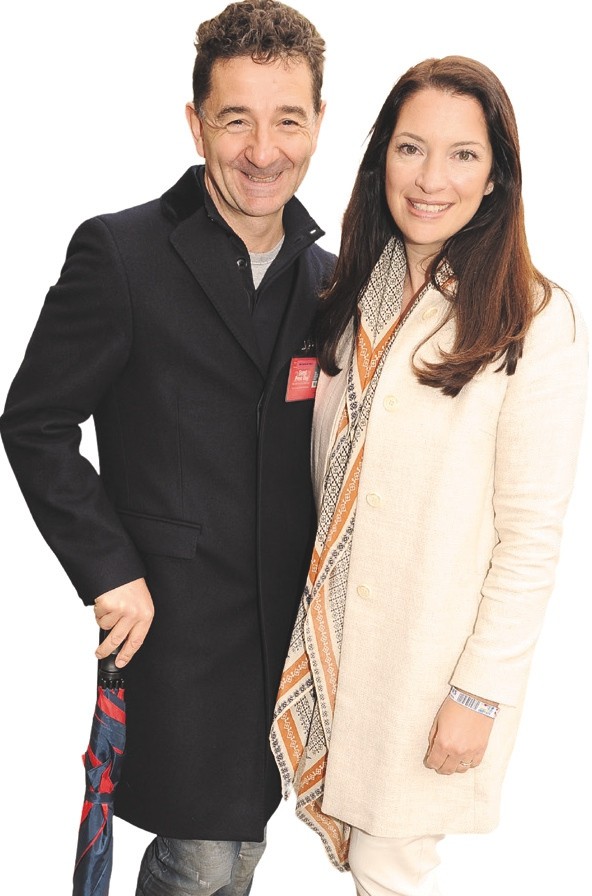
Her family life, meanwhile, has always been discussed with more restraint. The broad outline is clear in mainstream reporting: she has four children in total—two from her first marriage to photographer Stephen Colover and two daughters from her second marriage. A Guardian report in 2015 already reflected that same family structure, and later profile snippets repeat it with children’s names and ages.
She is now married to Gerard de Thame. Gerard is best known professionally as an award-winning commercials director with a long career in advertising filmmaking, with industry profiles describing him as having directed hundreds of spots (often cited as 500+), earning major honors across top ad awards (including Cannes Lions and D&AD mentions), and working with high-profile global brands; some trade coverage also notes his background in art education and his reputation for highly visual storytelling
There is also a meaningful through-line between her health experience and her public message. In her ambassador role, she has spoken about firsthand experience of the link between gardens and wellbeing, effectively turning a private medical chapter into a public argument for accessible green space and mental resilience. It is one thing for a presenter to discuss gardening as lifestyle; it is another to do so after living through treatment and recovery in real time.
So where does that leave the bigger picture? Rachel de Thame’s story is not one of vanishing from public life after diagnosis. It is a story of recalibration: less noise, more intention; less speed, more seasonality; less spectacle, more substance. She remains a respected voice in horticulture, still visibly active, still connected to Gardeners’ World and flower-show culture, and still anchored by family life she clearly values but does not overexpose. For many viewers, that may be exactly why her journey still resonates—because it feels lived, not staged.
Stop Doing These 12 Winter Gardening “Fixes” — They’re Secretly Wrecking Your Spring Garden

Monty Don Reveals Future of ‘Gardeners’ World’ After Admitting Some Scenes Are Staged

Monty Don’s Top Flower Picks That Every Gardener Should Grow in Spring
About Author
