Monty Don’s January Gardening Tips: The Quiet Month That Can Transform Your Whole Year
January often gets written off as the “dead month” in the garden. The beds look bare, the lawn barely grows, and the weather seems determined to stop you from doing anything useful. But Monty Don has long treated January differently. In his view, this is the month where small, steady jobs—done at the right moment and in the right way—set up stronger growth, fewer problems, and a calmer spring.
Think of January as foundation season. You’re not chasing flowers yet. You’re improving soil, tidying structure, preparing plants for a clean restart, and getting your systems ready before the rush.
Below is a detailed, news-style guide to what Monty’s January advice looks like in real life—broken down into practical sections you can follow, even if you only have weekends.
January’s Golden Rule: Work With the Weather, Not Against It
Before any task, Monty’s approach starts with a simple reality check: if the ground is frozen, or the soil is saturated, don’t fight it. Heavy foot traffic on wet beds compacts soil, squeezes out air, and creates damage that can last all year. That’s why January gardening isn’t about doing everything—it’s about doing the right jobs on the right days.
When conditions aren’t suitable outdoors, January becomes the perfect time to switch into “undercover mode”: greenhouse tasks, pot-washing, tool maintenance, seed planning, and compost management. These aren’t glamorous jobs, but they quietly remove chaos from March and April.
The January Power Move: Mulch Like You Mean It
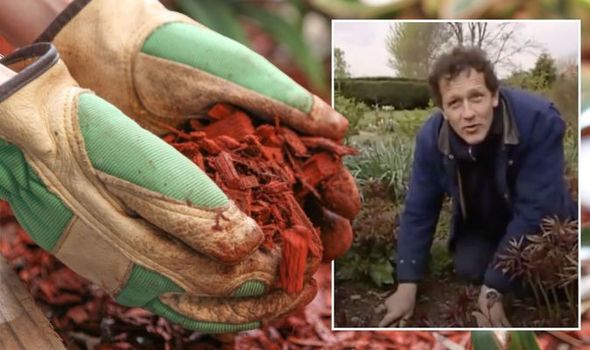
If there’s one job Monty repeatedly returns to in winter, it’s mulching. Done properly, mulching in January can change how your garden performs for the entire year—especially in borders, around shrubs, and beneath trees.
Why mulching matters so much in January
By mid-winter, most perennials are dormant, borders are easy to access, and you can see where the soil is exposed. Mulch laid now acts like a protective blanket. It reduces weed growth, keeps moisture in the soil, prevents the surface from crusting, and slowly feeds soil life as it breaks down. It’s not just “tidying”—it’s a soil upgrade.
What to use
Monty’s preference is organic material: well-rotted compost, garden compost, leaf mould, or similar. The goal isn’t decoration. The goal is to cover soil and nourish it.
How to do it properly
A thin dusting is a waste of effort. The mulch needs to be a real layer—deep enough to suppress weeds and protect the soil. Spread it evenly over bare soil, and don’t pile it tightly against plant stems or tree trunks. Leave a small breathing gap around the base of plants so you don’t encourage rot.
If you only have limited mulch, don’t panic. A very Monty-style approach is to mulch one section well, then rotate to another part later, rather than spreading everything too thinly across the entire garden.
Hedge and Shrub Decisions: January Is for Structure
January is when the garden’s skeleton is exposed. Without leaves and flowers, you can finally see what’s too big, too lanky, too uneven, or simply in the wrong place. Monty’s winter advice is often about structure—especially hedges.
Fixing a tired hedge
A weak hedge often benefits from a careful winter cut, because it can trigger strong new growth later. But the type of hedge matters. A deciduous hedge can often handle harder work. Evergreens are a different story.
Renovating overgrown deciduous hedges
If a deciduous hedge has become too tall, too wide, or too bare at the base, winter can be the time to take bold action. Cutting back hard can encourage fresh shoots from lower down, which is exactly how you rebuild thickness and density over time.
The evergreen warning
Many evergreen hedges don’t regenerate well from old wood. That means severe cutting can leave permanent bare patches. Monty’s practical rule here is to treat evergreen renovation cautiously, and only cut hard where the plant type is known to cope with it. When in doubt, a gentler approach—or waiting for spring growth—often avoids long-term damage.
Compost in January: The Job That Pays You Back Twice

Compost doesn’t stop in winter. It slows down—but it doesn’t stop. Monty’s advice on compost in January is all about keeping the system alive and efficient.
Turning compost isn’t just “busy work”
Turning the heap adds oxygen, and oxygen fuels the microbes that do the breakdown. That microbial activity generates warmth as a byproduct, helping the heap keep working even when the air is cold.
Use what you’ve got
January can be light on fresh “green” material, but there’s still plenty that can go into the heap—especially shredded, non-glossy cardboard, dead leaves, and kitchen scraps. If you keep layering and occasionally turning, you’ll maintain steady progress.
Feed empty beds now
If you have a vegetable bed that isn’t actively growing anything, January is an excellent time to spread finished compost. You’re not digging it in aggressively—just laying it on top. Worms, frost, and rain help integrate it over time, leaving you with richer soil by sowing season.
Seed Sowing in January: Start Early Only If You Can Protect It
January sowing sounds exciting, but Monty is careful about it. The biggest mistake gardeners make this month is sowing too early without the right protection.
The controlled-start method
If you have a greenhouse, cold frame, or a bright indoor setup, January is a time to begin very early salads or hardy seedlings. The key is warmth and consistency: seeds need reliable conditions to germinate, and seedlings need steady light and protection so they don’t stall.
Why “too early” backfires
Seeds in cold ground often just sit there. They can rot, get eaten, or emerge weak and slow. And here’s the surprising part: plants started slightly later in better conditions often catch up fast and outperform early, stressed seedlings. So Monty’s January seed message is clear: start early only if you can support the growth.
Bare-Root Planting: The Winter Window Most People Miss
January is still prime time for planting certain things—especially in the dormant, bare-root season. It’s often cheaper, and it establishes better before spring.
What planting makes sense now
This is a strong month for bare-root roses, hedging plants, trees, and dormant shrubs—provided the ground isn’t frozen and isn’t waterlogged. The roots get time to settle, and once spring arrives, the plant has a head start.
Planting tips that matter
Digging a neat hole isn’t enough. Break up the soil around the planting area so roots can move into it. Firm the soil in gently so there are no air pockets, then water in—even in winter—because watering helps settle soil around the roots. A mulch layer afterward locks in moisture and reduces stress.
The “Unsexy Jobs” Monty Swears By: Pots, Tools, and Labels
This is where January gardeners separate into two groups: those who drift through winter, and those who glide into spring.
Monty often points out how satisfying it is to use winter downtime to handle the small, neglected tasks—washing pots, cleaning seed trays, scrubbing labels, sharpening tools, and getting greenhouse shelves organized. It’s not just tidiness. It’s efficiency. When spring hits, you don’t waste good weather hunting for a working trowel or reusing a filthy tray that spreads disease.
Wildlife and the Winter Garden: Don’t Clean Too Hard, Too Fast
January is also a reminder that the garden isn’t just yours—it’s shelter and food for wildlife. Cutting everything down too early removes hiding places and winter resources. A balanced approach keeps the garden healthy and alive.
A practical way to do this is to tidy in stages. Leave seed heads and shelter longer where possible, then mulch when you’re ready to transition toward late winter growth. It keeps the garden looking cared for without stripping it bare.
A Simple January Routine That Works in Real Life
If you want a realistic plan that feels productive without overwhelming you, here’s a Monty-style rhythm:
Week 1: Soil and structure
Walk the garden. Decide what needs mulching, what needs cutting back, and where the worst areas are.
Week 2: Mulch borders and top up soil
Mulch one major border properly, not thinly. If you can, top dress empty beds with compost.
Week 3: Hedge and shrub decisions
Tackle hedge shaping or renovation carefully. Focus on structural improvements—clean lines, manageable size, healthier regrowth.
Week 4: Prep for spring
Clean pots, organize seed supplies, maintain tools, and plan sowing so you don’t rush later.
The January Mindset: Quiet Work, Big Results
Monty Don’s January gardening advice isn’t about forcing growth. It’s about preparing the stage. Mulch now and you’ll weed less later. Handle hedges now and your garden will look sharper for months. Keep compost moving now and your soil will be richer when it matters. Use indoor time wisely now and spring won’t overwhelm you.
January may look slow, but it’s one of the most powerful months in the gardening calendar—because what you do here quietly shapes everything that comes next.
If you tell me your garden type (pots/balcony vs backyard), and your climate (cold winter vs mild winter), I’ll tailor this into a January checklist that matches exactly what you can do right now—without guessing.
Related posts:
Monty Don Recommends: You’ll Never Toss Banana Peels Again After Seeing What They Do for Your Garden...
Monty Don Exposes Gardeners’ World Secrets – You Won’t Believe What’s Been Staged!
Monty Don’s Carrot Growing Tips for April: The Critical Mistake You Should Avoid
Monty Don Warns: ‘Do This Job’ this month Before It’s Too Late for Spring Blooms

Monty Don Sparks Spring Frenzy as Gardeners’ World Return Date Leaves Fans “Counting Down the Days”

Monty Don Issues Urgent Warning: The One Lawn Mistake That Could Ruin Your Garden!

Monty Don Reveals His Wife’s small Mistake That Stopped Gardeners’ World Filming
About Author
