Monty Don’s 5 “Completely Magical” Gardens Every Gardener Should Visit at Least Once
Monty Don has visited gardens across the globe, and he admits that choosing just five is a challenge—because comparing great gardens is like comparing “apples and pears.” Still, he narrows it down to a personal shortlist of places that feel essential, unforgettable, and deeply moving for anyone who loves plants.
As he puts it: “I certainly can recommend five that I think you should go and see because if you’re a garden lover, they are completely magical.”
What makes this list special is the range. These aren’t five versions of the same experience. They represent five different garden “languages”—from quiet English landscape design to temple gardens that feel like philosophy made visible, to a modern city garden that completely redefines what public green space can be.
Here are Monty Don’s top five picks—and what to look for when you visit, so you understand the magic the way a gardener does.
1) Rousham Gardens (Oxfordshire, England): Simplicity that changes everything
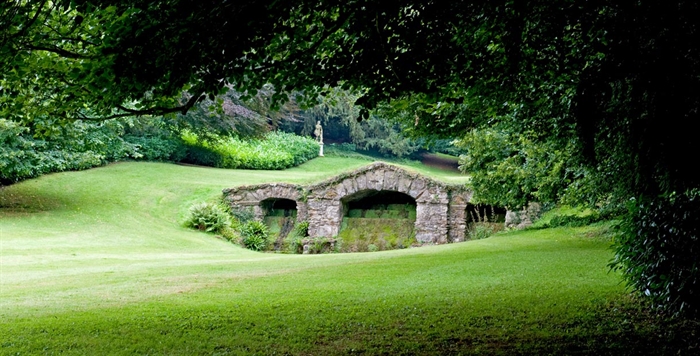
The first destination is in Britain: Rousham Gardens in Oxfordshire, designed in the 1730s by William Kent and widely regarded as a landmark in English garden history.
Monty Don praises it for two key things: its restrained beauty and its importance as an early garden that intentionally brought the surrounding landscape into the design. His words are clear and direct:
“The beauty of Rasham is in its absolute simplicity as well as its historical import because it was really the first garden that took the surrounding landscape and included it in.”
One detail he highlights surprises people who expect classic “flower power” from great gardens:
“There’s practically no color in it at all, but everywhere you go, you see glimpses of the countryside around.”
That’s the point—green becomes the main character. The garden works through tone, texture, shape, and view.
Then there’s the theatrical side, done with restraint. Monty explains how Kent used built features to guide your eye:
“He built follies. He built eye catchers.”
Those elements make the garden feel larger, deeper, and more story-like—like you’re walking through a painting where the next scene appears around the bend.
How to visit like a gardener
Walk slowly and let the views “arrive” naturally.
Look outward on purpose—the countryside is part of the composition.
Treat green as the color theme, not the absence of color.
Monty adds a personal touch that says a lot about the place:
“I first went about 40 years ago and every time it gets better and better.”
2) The Garden of Ninfa (Cisterna di Latina, Italy): A garden living inside a lost town
Next comes Italy: the Garden of Ninfa, a celebrated garden created among the ruins of a medieval settlement.
Monty tells the haunting origin story—once a town with churches and residents, later abandoned after plague and conflict. Then, much later, a garden began to grow within the ruins. That’s why Ninfa feels more like a living atmosphere than a typical destination. He describes the experience like this:
“you have this garden growing amongst the streets and the the churches and the buildings and the halls and the houses of this ruined medieval city.”
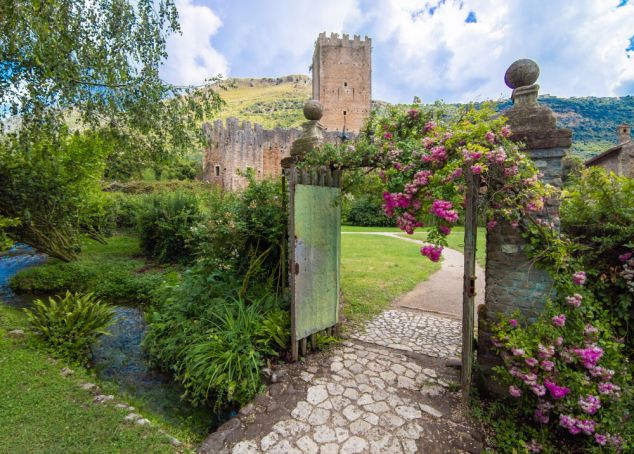
It’s hard to overstate what that means visually: stone walls half-swallowed by green, arches framed by vines, water reflecting broken masonry, flowers softening the edges of history. It’s beauty with a pulse—and that’s why he calls it:
“a magical place to visit.”
How to visit like a gardener
Notice where plants choose to take hold—cracks, corners, damp edges.
Let the ruins set the pace; the garden is meant to be absorbed slowly.
Pay attention to water—reflection and coolness shape the mood.
3) Kyoto Temple Gardens (Kyoto, Japan): A full-day immersion, not a single “best” garden
Instead of naming a single “best garden” in Japan, Monty chooses a strategy: go to Kyoto and spend a full day moving from temple garden to temple garden.
He says: “Kyoto… is full of gardens. They tend to be attached to temples…” and then he refuses to narrow it down: “rather than choose any one garden, I would say spend a day walking around and visiting the temple gardens in Kyoto.” Kyoto is famous for this kind of experience—clusters of temples and shrines that lend themselves to walking itineraries.
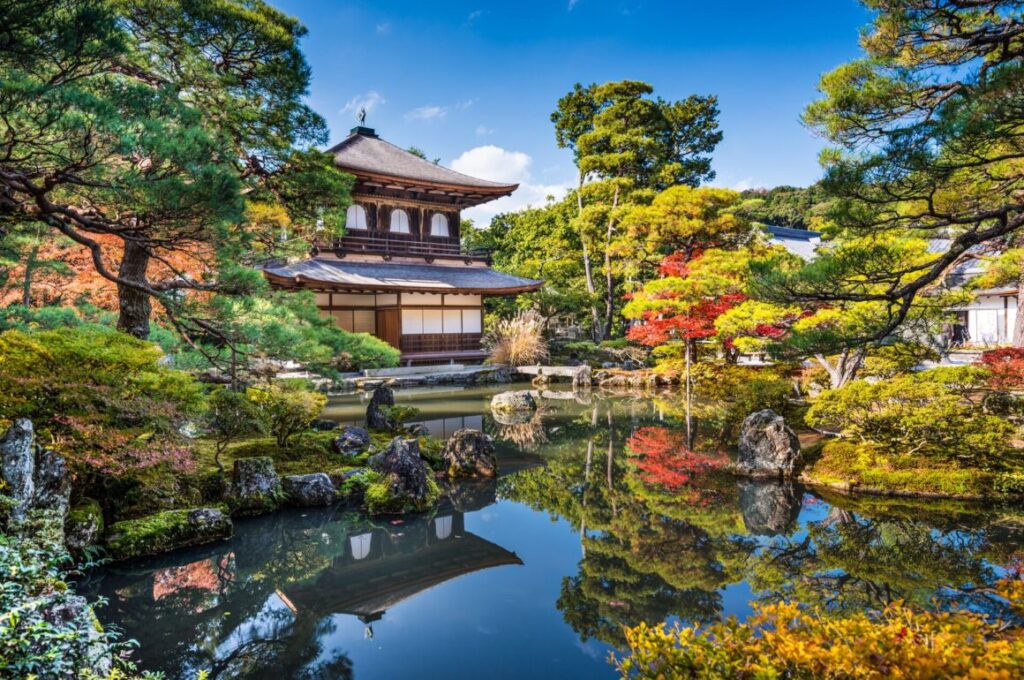
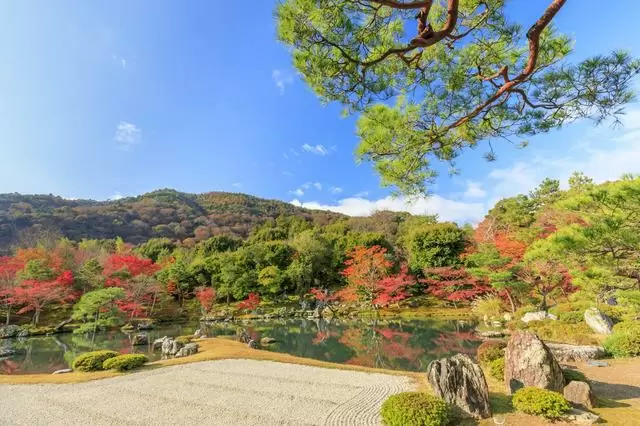
According to Monty, Kyoto gardens are an education in another way of seeing. He talks about types—“tea gardens, dry gardens, stroll gardens”—and then goes deeper than categories. He connects the gardens to the culture behind them: “this combination of Zen and Shinto… expressed in gardens whether it be… gravel gardens… a few plants… a few mosses… beautifully pruned trees or shrubs.” (Zen-inspired dry landscape gardens—often called karesansui—are a major tradition visitors seek out.)
Monty’s most important line here might be this: “For a westerner… it is both a cultural education and also a way of seeing the world and seeing gardens.” That’s why Kyoto makes the list. It doesn’t just impress you. It changes your taste.
How to experience Kyoto the Monty way
Treat it like immersion, not sightseeing. Choose a neighborhood/route and take your time.
Watch how gardens use emptiness, spacing, and framing. The “design” is often what’s not there.
Notice maintenance as an art form: raked gravel, pruned forms, moss edges—precision is part of the message.
4) Vaux-le-Vicomte (Maincy, France): The masterpiece of order before Versailles
Monty’s France pick is Vaux-le-Vicomte, the 17th-century château and gardens created with André Le Nôtre’s landscape design—often discussed as a landmark in the French formal garden tradition.
Monty frames it as essential for understanding France: “a garden which I think everybody should visit in France because it tells you a lot about France and about the French.” Then he tells the famous dramatic backstory: the owner builds something too magnificent, the young Louis XIV sees it, and the fallout helps set the stage for Versailles. Sources commonly connect Vaux-le-Vicomte to the story of Nicolas Fouquet, the lavish fête, and the king’s response.
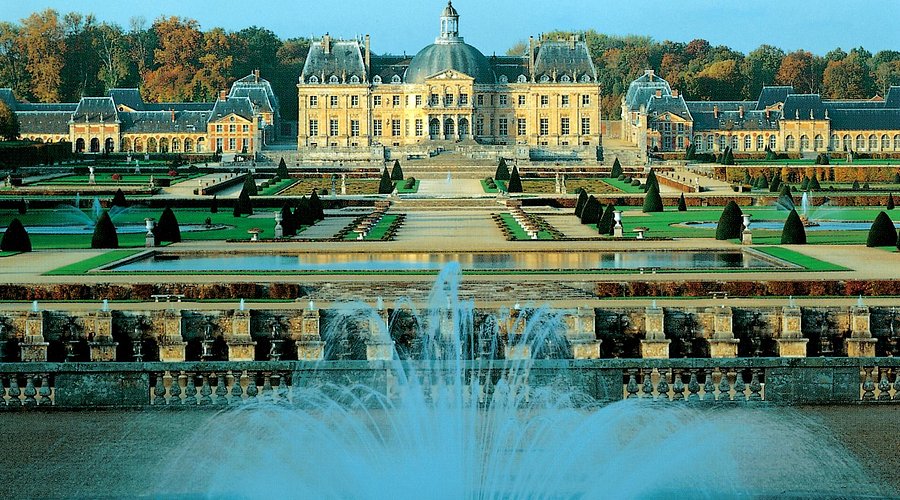
But Monty’s real focus is the design language: “an expression of order and rhythm… the use of water and eyelines and symmetry and this grandeur.” Vaux is where you feel the French formal garden as a worldview: nature is not left to wander—nature is shaped into a statement.
That’s why his interpretation hits harder than tourist adjectives: “when the natural world was fundamentally frightening… what man could impose… contain it and train it… creating order.” Whether you agree with that philosophy or not, you can’t stand in those lines and axes and not feel what he means.
How to experience Vaux-le-Vicomte the Monty way
Start from a key viewpoint and pay attention to perspective—Le Nôtre designed these gardens to be read from specific sightlines.
Walk the main axis slowly and watch scale “unfold.” Formal gardens often reveal size through movement.
Look at water as architecture: reflection pools and canals aren’t decoration—they’re structure.
5) The High Line (New York City, USA): A modern garden that reimagines cities
Finally, Monty recommends something completely different: the High Line in New York City, the elevated park built on a former railway line and known for its public access and influential planting design.
He explains why it’s so radical:
“it’s up in the air, but it’s not a roof garden. It’s a walkway. It’s used. It’s a path.”
He loves how it flips the idea of a garden. It isn’t enclosed. It isn’t private. It’s integrated into the city’s movement and daily life.
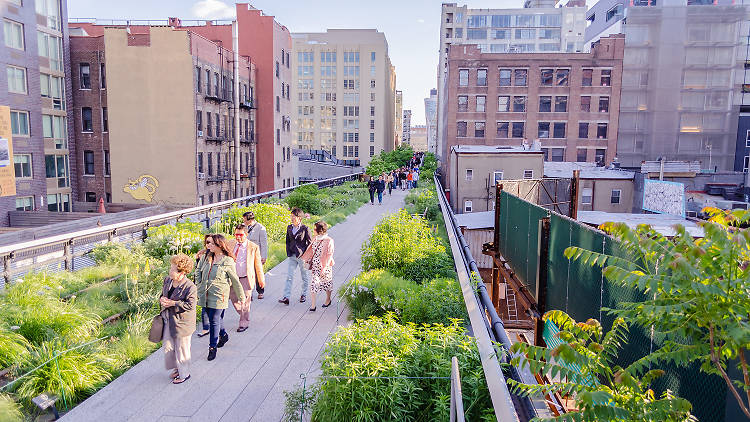
He also frames it as a blueprint for the future—taking neglected urban infrastructure and turning it into a shared green experience:
“redesigned, recreated, re-imagined as a garden that is accessible to anybody and everybody.”
And he ends with the challenge beneath the praise:
“just shows what we can and perhaps should do with our cities.”
How to visit like a gardener
Look closely at layers of planting and seasonal texture.
Notice how the city becomes the “view” the way countryside does at Rousham.
Watch how people use the space—this garden is designed for living, not just looking.
Why these five places matter to gardeners
Together, these recommendations aren’t just travel tips—they’re lessons:
Rousham teaches restraint, green harmony, and “borrowed landscape.”
Ninfa shows romance, history, and ecology intertwining.
Kyoto expands your eye and your sense of what a garden can communicate.
Vaux-le-Vicomte demonstrates formal power: perspective, water, symmetry, control.
The High Line proves gardens can reshape cities and public life.
And above all, the message is simple: if you love gardens, these places don’t just impress you—they change what you notice everywhere else.
Related posts:
A Royal Surprise Unfolds in Monty Don’s Garden—You Have to See This
Monty Don called his Relationship with his wife Sarah ‘Extremely Disturbing’ and ‘Very Unpleasant
Monty Don’s Gardening Tips: Simple Tricks to remove Moss from your Lawn.
Monty Don reveals his list of Vegetables everyone should be growing in April.

Frances Tophill’s Health: What’s Really Going On — and the Latest Update on How She’s Doing

11 Flowers That Are Believed to Bring Good Luck to Homes

Monty Don mourns the loss of his beloved dog, who passed away in January 2026.
About Author
