Is Charlie Dimmock Ill? Explains her Weight and what happened.
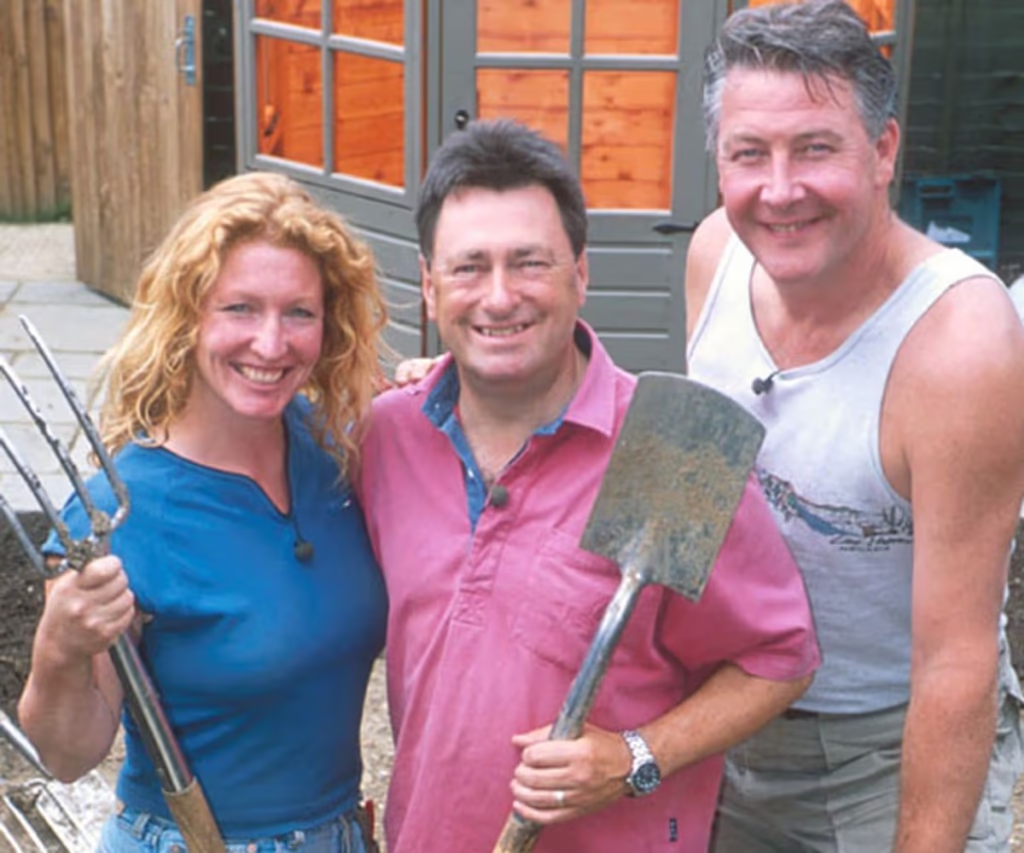
When Charlie Dimmock returned to prime-time TV, a lot of viewers expected a time capsule: the same Ground Forceenergy, the same easy laugh, the same no-fuss way of getting stuck into the mud. And honestly, that part did come back. But something else returned too — the ugly internet habit of treating a woman’s body like public property.
Charlie’s weight has been turned into “news” more than once. Not because she made it a story, but because certain corners of the media and social media decided it should be one.
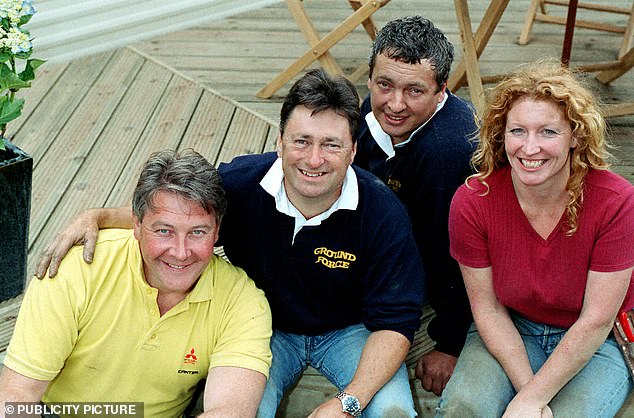
In 2016, Charlie popped back up on-screen in Garden Rescue, and the reaction split in two. On one side: genuine “where has she been?” curiosity and a warm wave of nostalgia. On the other: snide comparisons to the late-90s version of her that some people have frozen in their heads. Radio Times even highlighted that visual shift — noting she’d swapped the old “pin-up” styling (denim shorts and vest) for practical workwear like jeans, an overshirt and boots.
The bigger issue: she was marketed as an “image” before she was treated like a person
Part of why Charlie’s weight got so much attention is that her image was loudly discussed even at the peak of her fame. She wasn’t just “a gardener on TV” — she was framed as a phenomenon, a national crush, and a projection screen for viewers. A famous Observer/Guardian profile put it bluntly: Charlie’s public image often says more about us than it does about her.
That pin-up framing wasn’t harmless nostalgia. It set up a weird expectation that she should stay frozen in time. And when real life happened (as it does for everyone), some people acted like she’d broken an unspoken contract.
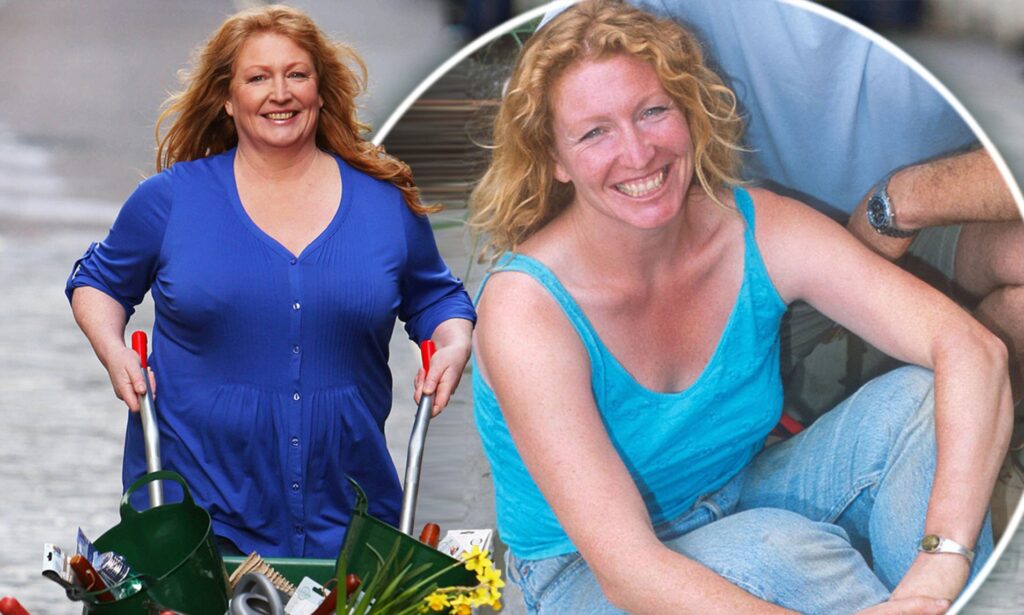
The thyroid rumor: “hyperthyroidism” talk that isn’t backed by anything Charlie’s said
Alongside the comments, there’s also been ongoing online speculation trying to “explain” her weight — including people tossing around thyroid conditions as a guess. You’ll see this kind of armchair diagnosing in forums, where strangers list possibilities like thyroid issues as if they’re facts.
One rumor that circulates is hyperthyroidism — but here’s the key point: Charlie has never publicly said she has hyperthyroidism (or any thyroid diagnosis), and there’s no solid evidence supporting that claim. So treating it as “the reason” would be exactly that: a baseless assumption.
It’s also worth noting why this specific rumor doesn’t neatly “fit” the way people think it does. Hyperthyroidism (an overactive thyroid) is commonly associated with weight loss rather than weight gain.
Yes, thyroid problems and treatments can affect weight in complex ways, and some people do gain weight after treatment or in a minority of cases — but that’s general medical context, not proof about Charlie.
In other words: the internet loves a neat diagnosis storyline — but Charlie’s own words point in a completely different direction.
What Charlie has actually said about her weight
Here’s the part that often gets lost: Charlie hasn’t sold diet secrets. She hasn’t built a brand around “before and after.” She hasn’t pushed a dramatic transformation storyline. When she has addressed weight talk, it’s been blunt and matter-of-fact.
In 2016, she was quoted saying she’s “always been up and down” in her weight and that she’s reached a point where she accepts it — adding that “life is too short” to worry about it.
That’s not a confession. It’s a boundary.
And it matters, because it reframes the whole conversation: instead of “What’s wrong with her?” the real question becomes “Why do people feel entitled to demand an explanation at all?”
The backlash — and the double standard people called out
The harshest part of this topic is how quickly it turned into permission to mock. One of the most circulated pushbacks came from Lorraine Kelly, who called the abuse “unfair” and pointed straight at the sexism behind it — arguing that if a male TV gardener gained weight, most people wouldn’t care, but because Charlie is a woman, she became a target.
And that’s the heart of it. The “problem” isn’t that Charlie’s body changed. The problem is that society often treats women aging — and looking like normal humans — as a controversy, then tries to dress that cruelty up as “concern” with a convenient health rumor.

Alan Titchmarsh’s 5 Best Container Plants That Thrive in Pots (With Simple Care Tips)

Alan Titchmarsh Admits His Biggest Garden Mistake—And It Happened in Front of Experts

Gardeners’ World Star Monty Don Heartbroken After Tragic Loss – Pays Tearful Tribute to Rosie
About Author
