Alan Titchmarsh’s No-Nonsense Guide to Keeping Rats Out of Your Garden
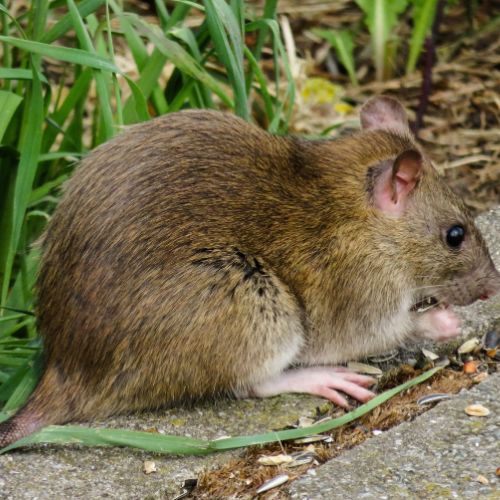
Rats are the one garden “pest” that can turn your stomach faster than anything else. Slugs are annoying. Aphids are frustrating. But rats? They bring a different kind of dread—because you rarely spot them out in the open. Instead, you find the evidence: a hole by the compost heap, a tunnel near the shed, missing fruit, scattered bird seed. And suddenly, your peaceful garden feels like it’s being shared with an unwanted guest.
In this guide, Alan Titchmarsh lays out a practical, calm approach that focuses on one simple truth: rats stay where life is easy. If you remove their comfort—warmth, food, shelter, and safe cover—they usually move on to somewhere less exposed.
This isn’t about panic. It’s about making your garden unwelcoming to rats while still keeping it friendly for birds, plants, and people.
Why rats head straight for the compost heap
If rats could choose the best “home base” in a typical garden, the compost heap often wins. Alan explains why: it’s warm, hidden, and often smells like food.
He describes it perfectly: “The place they love more than anywhere else in the garden is the compost heap… mainly because of the heat generated by all this rotting vegetation. They can burrow into it and they’ve got a central heated house.”
That image tells you everything. Compost isn’t just a pile of waste to a rat—it’s a heated apartment block with all-day cover.
So Alan’s first advice is to make compost less like luxury accommodation.
1) Build a compost bin that’s harder for rats to enter
A loose heap or flimsy bin makes it easy for rats to sneak in. Alan’s approach starts with structure.
His core advice: “Make sure the structure is solid.” He describes having strong wooden sides, and then adds the key upgrade: “steel sheeting right around the back… goes right down to the ground.”
Why does that matter? Because rats often don’t enter from the front—they dig under the base or slip through gaps you barely notice.
What to do in your garden
Use sturdy sides (thick timber works well)
Add a metal barrier where possible (sheeting or strong mesh)
Make sure protection reaches ground level, because “they can burrow underneath.”
You don’t need a fortress—you just need a compost setup that’s annoying and difficult to access.
2) Compost rules: what NOT to add (and what’s okay)
This is where many gardeners accidentally invite rats in. Alan is blunt because it’s important:
“Don’t put processed food, anything you’ve cooked, any meat, any potatoes, anything… because it’s just an absolute open invitation for rats.”
That’s your golden rule. Cooked leftovers and strong-smelling scraps turn compost into a dining table.
But he also makes it clear that you can still compost plenty of useful things. For example:
“You can put moldy apples… Apples go in… And any green clippings from the garden… Anything soft and green, lawn mowings, yes.”
A simple way to remember it
Yes: garden clippings, leaves, soft green waste, rotting fruit like apples
No: cooked food, meat, processed scraps, potatoes, anything that smells like a meal
3) Manage the heap properly: mix, firm, and keep it active
A well-made compost heap breaks down faster and is less likely to become a comfy nesting zone.
Alan recommends mixing and compacting: “try and mix them all together and firm them.”
He also notes moisture matters. If compost becomes too dry, it slows down and can become airy—exactly what pests like.
So he adds: “And if it starts to get dry, put a hose pipe on it.”
Good compost isn’t just about what goes in—it’s about how you maintain it.
4) Found a rat hole? Use water to drive them out
This is one of Alan’s simplest and most practical tips. If you discover a burrow or hole, don’t just stare at it and hope it goes away.
He says: “If you find a rat hole, stick the hose pipe down the rat hole. They really don’t like swimming pools.”
Rats want dry tunnels and safe, stable routes. Flooding disrupts their comfort fast. It won’t magically “solve” every rat problem overnight, but it’s a strong way to make the area feel unsafe and unpleasant.
5) Bird feeders: keep feeding birds, but stop feeding rats
Alan knows gardeners love birds, and he doesn’t suggest removing feeders. Instead, he explains how to place them so rats feel exposed.
He warns that feeders can become “a magnet for rats”—mainly because spilled seed creates a steady food supply.
The fix is placement:
“Position them in the open in the middle of your lawn. Rats hate running through exposed areas.”
If feeders are near hedges, walls, or dense planting, rats can dash out, grab food, and dash back into cover. But in open lawn? They feel visible—and they hate that.
He also gives a routine change:
“Don’t leave food lying around during the night. Put it out first thing in the morning.”
Yes, birds arrive early. But if rats have been visiting at night, Alan’s view is simple: birds can wait a bit, and you’ll still enjoy them—without running a midnight rat buffet.
6) Mow the grass short to remove rat “highways”
Rats prefer moving under cover. Long grass gives them protected paths around the garden. Short grass takes away that safety.
Alan’s point is clear:
“Rats are furtive. They like cover… They do not like close mown grass where they can be seen.”
So if rats are an issue, don’t give them hidden routes. Keep key areas mown and visible—especially near compost, sheds, fences, and walls.
This doesn’t mean your whole garden must be shaved flat. But it does mean you should remove the obvious hidden “runways.”
7) Store fruit like it’s a five-star restaurant (because to rats, it is)
Stored fruit is a rat dream: lots of food, in one place, usually sheltered.
Alan makes the point in a memorable way:
“Stored fruit is particularly attractive to rats… this is a Michelin starred restaurant as far as they’re concerned.”
His advice is not “stop storing fruit.” It’s make storage rat-proof.
He stores his in a shed, and says if you do the same (shed or garage), check for tiny access points:
“Make sure there are no little holes at the bottom of the sides of the building that they can sneak up and in.”
If the storage space is secure, then the harvest stays yours.
8) Make rats nervous by changing the layout near walls and buildings
This is a smart behavioral trick. Rats relax when things feel familiar.
Alan explains:
“Rats are very comfortable with things that don’t change… So, if you can change things around in your garden, it makes them a bit nervous.”
He notes they love traveling along edges:
“They love running around the perimeter of walls… stay close to buildings and anything structural.”
So if you have pots, stacked items, or familiar objects lining walls, move them:
“If you’ve got pots near buildings, move them… shift them around a bit…”
You’re basically disrupting their safe routes and hiding places. When the garden stops feeling predictable, rats often stop feeling confident.
The simple strategy behind Alan’s advice
If you want the big idea in one line: remove comfort.
Rats choose gardens where they get:
Warmth (compost heat)
Easy food (wrong compost scraps, spilled seed, stored fruit)
Safe cover (long grass, walls, clutter)
Predictable routes (unchanged layouts along edges)
Alan’s guide tackles every one of those—calmly, practically, and without drama.
Quick checklist: the Alan Titchmarsh way
Compost: solid sides + block burrowing access; no cooked/processed food
Heap care: mix, firm, water if dry
Rat holes: flood with a hose
Bird feeders: place in open lawn; no food left out overnight
Grass: keep key areas mown short
Fruit storage: rat-proof sheds/garages, seal gaps
Garden edges: move pots/clutter near walls to disrupt routes
Related posts:
Tommy Walsh Speaks Out After Two Cancer Battles and Health Update 2026.
Alan Titchmarsh’s 5 Best Container Plants That Thrive in Pots (With Simple Care Tips)
Alan Titchmarsh reveals a feud with a fellow cast member on the show
Alan Titchmarsh Admits His Biggest Garden Mistake—And It Happened in Front of Experts

Monty Don’s Spring Gardening Tips: You’re Ruining Your Spring Garden! Here’s What You Should Be Doing instead.

Monty Don Stuns Fans with Huge Gardeners’ World Announcement!

Monty Don Issues Clear Warning: Don’t Cut Corners on This Garden Essential
About Author
