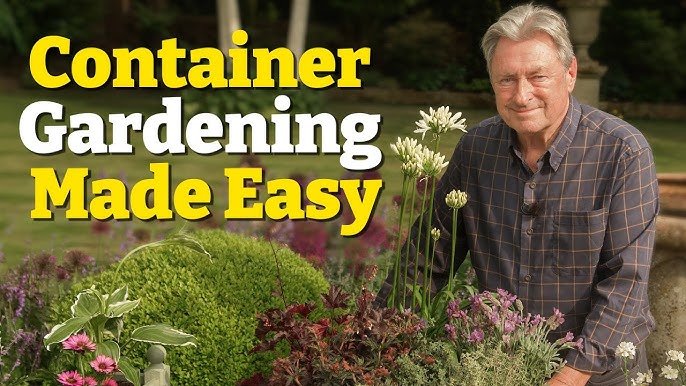
If you’ve ever tried container gardening, you already know the truth: pots can make plants look absolutely stunning, but they can also turn simple gardening into a constant battle with drying compost, wind damage, and plants that never seem fully happy. Alan Titchmarsh puts it best when he says, ” technically you can grow anything in a container but some plants just seem more suited to it than others.” That one line explains why some container displays look effortless and luxurious while others feel like hard work. It’s not always about your skill. Often, it’s about choosing plants that genuinely love life in a pot.
Why These Five Plants Work So Well in Pots
Yes, you can grow almost anything in a container, but certain plants simply handle the conditions better. They cope with restricted root space, they respond well to regular watering and feeding, and they look good even when they aren’t flowering. Alan’s picks are all about dependable beauty—plants that hold their shape, fill a space with texture, or deliver a burst of colour right where you need it.
Hosta: The “Fountain of Leaves” That Loves Containers
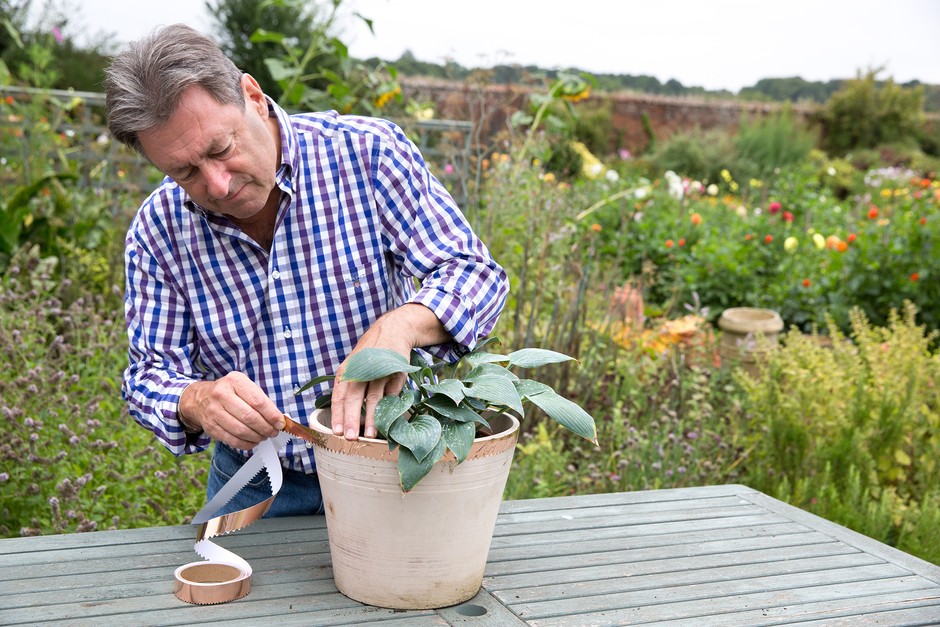
For Alan, the hosta is one of the most satisfying container plants you can grow because it doesn’t just sit there—it fills a pot with presence. As he explains, “for me the hosta is a glorious container plant it will form an enormous Fountain of leaves.” That’s exactly what makes it so effective. The foliage creates a rich, overflowing look that instantly makes a patio or doorstep feel designed. You can choose blue-grey hostas, like the ones Alan mentions, or go for varieties edged with yellow if you want something brighter and more dramatic.
One of the clever reasons hostas work so well in containers is that pots can actually help protect them from their biggest enemies. Alan points out “the great thing about growing hostas in pots is that if you put them on pot feet stand a better chance of them not being beaten to death by slugs and snails.” It’s not a perfect guarantee, but it gives you a much better chance than planting them straight into the ground. Hostas do love water and they really don’t like drying out, so keeping the compost consistently moist is key. Once they’re settled, the reward is long-lasting because, as Alan notes, “once it’s established in that pot a hostel will stay there for three or 4 years and look better every year.”
Clipped Box: Year-Round Shape That Keeps Pots Looking “Designed”
A truly great container garden needs something that holds the look together even when nothing is flowering, and that’s why Alan leans on clipped box. He reminds us that “it’s good to have one or two container plants that look good all year round and clipped box is one such.” Box gives you that clean, structured shape that keeps everything looking intentional through every season, even in winter when patios can look bare.
Alan enjoys shaping box into strong forms and says, “I grow small pyramids small cones balls of box and they give the garden for form and shape right the way through the year.” People do worry about box moth and box blight, and Alan acknowledges that concern while also pointing out a practical advantage of growing box in pots: you can keep a closer eye on it. He explains that “box moth you can actually squirt off with a sharp hose pipe just to make sure they fall on the ground,” and he adds that the blue tits love them, even if it can feel a bit chancy. He also suggests clipping in dull weather so fresh cuts don’t scorch, and after that you often see a little new growth that keeps the plant looking crisp for months.
Japanese Maple: A Patio Centrepiece That Can Last Decades
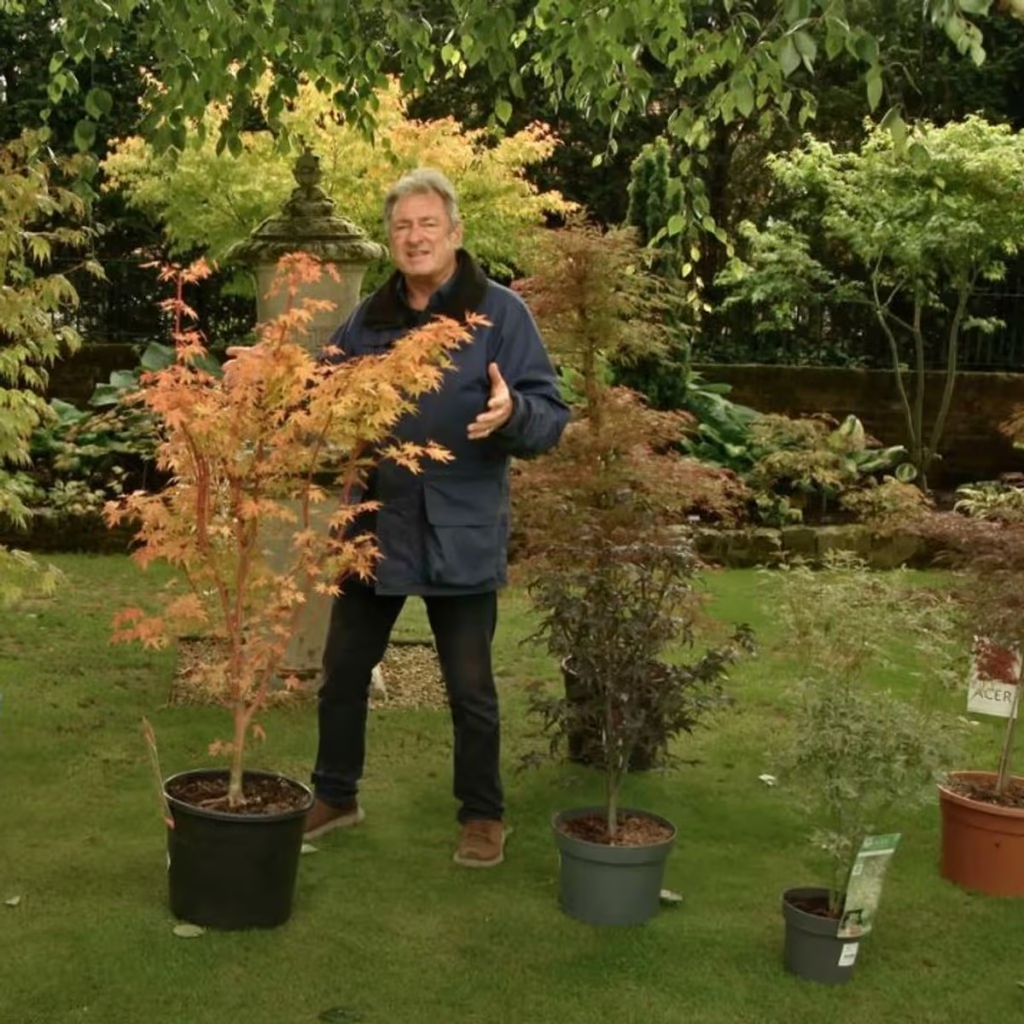
If you want a container plant that looks like living art, Alan’s Japanese maple story is the kind of advice that sticks. He says, “I did have it for about 25 years in that same pot it became a sort of Hefty Bonsai.” That is the magic of Japanese maples in containers. They can become a long-term feature, not just a one-season decoration.
Whether you choose green-leaved, purple-leaved, cut-leaf, or plainer varieties, Alan says “they make wonderfully statuesque container plants.” The trick is helping them stay comfortable. Using a fairly dense compost, ideally soil-based, gives the pot weight so it won’t tip and also helps feed the plant steadily. Placement matters too because harsh sun can scorch the leaves and strong winds can burn them, so shelter and dappled shade give the best results.
Rhododendron: The Container Solution for Chalky Soil
Rhododendrons might not be the first plant people think of for containers, but Alan makes a strong case for them, especially if your soil conditions are difficult. He explains that “Roda dendrons are great plants for containers” as long as you remember some have a limited life in a pot. The larger, faster-growing kinds may only thrive for three or four years in a decent container because they grow quickly, but dwarf, slower-growing types can last much longer.
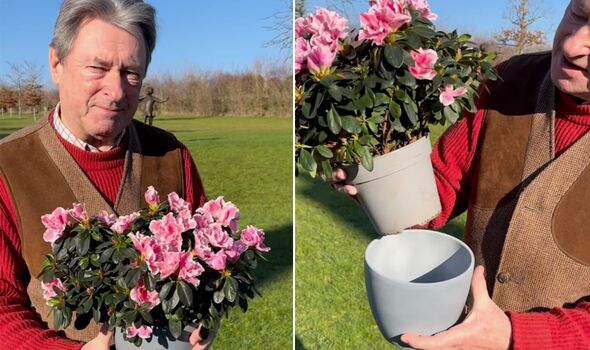
Alan points out that dwarf rhododendrons like yakushimanum hybrids can be happy for about ten years in a proper pot if you top dress with fresh compost each year. The biggest rule is the compost itself. Alan is very clear that “they hate chalk or lime you need to grow them in ericaceous that’s lime free compost to make sure it’s acidic.” That’s why containers are so useful. If your garden is on chalk or limestone and you’ve always struggled to grow rhododendrons, a pot filled with ericaceous compost lets you create the exact conditions they need. The other essential is water because you should never let the pot dry out completely.
Agapanthus: The July Showstopper for Doors and Patios
Then comes the plant that screams midsummer confidence: agapanthus, also known as the African lily. Alan notes that many varieties are tender, but there are now plenty of relatively hardy options that do very well in containers. The reason agapanthus looks so spectacular in pots is its structure, with green strap-like leaves, tall stems, and those round flower heads that open like spokes.
Alan describes it as “wonderfully statuesque,” and he gives one of the simplest design tips you can copy immediately. He says that a pot or a pair of pots placed either side of your front door are “wonderfully welcoming in July when these blooms burst open.” Agapanthus can stay in a pot for several years, but it needs fuel for those flowers, so regular liquid feeding during the growing season makes a big difference.
The Takeaway: A Container Garden That Never Looks Empty
The real beauty of Alan Titchmarsh’s container picks is that they cover every job a great pot garden needs. The hosta delivers lush foliage that looks rich and full, the clipped box provides year-round shape, the Japanese maple adds height and elegance, rhododendrons bring bold colour even when your soil is wrong, and agapanthus delivers midsummer fireworks right where you want them most. You could grow almost anything in a container, but these are the plants that look like they were made for it—and when you choose plants that love the pot life, container gardening stops feeling like a chore and starts feeling like the easiest way to make your garden look incredible.