
Winter doesn’t pause your garden — it changes the rules. A lot of common “helpful” habits in cold months quietly set you up for weak growth, dead patches, and stressed plants once spring arrives. Here are the biggest winter gardening mistakes (and what to do instead), backed by university extensions and major horticulture authorities.
1) Walking on frozen or waterlogged ground
Snow can hide soft, saturated soil. Stepping on beds or lawns when the ground is wet or partially frozen crushes soil pores and creates compaction that can linger into the growing season. University guidance warns that traffic on wet or frozen soils increases compaction and reduces air space.
Do instead: Stay off garden beds, avoid hauling wheelbarrows across thawing ground, and use designated paths.
2) “It’s winter, so I’ll stop watering”
Evergreens still lose water in winter (especially on sunny, windy days). If soil is dry, they can desiccate and brown, with damage often showing up later.
Do instead: Water deeply in fall before the ground freezes if rainfall is low. In winter warm spells, only water when soil is thawed and actually dry.
3) Overwatering indoor seed trays and seedlings
Cool temps + low light + too much water is a perfect recipe for damping-off, a disease that kills seeds and seedlings. University of Minnesota notes overwatering and cool soil are strongly linked to damping-off risk.
Do instead: Keep mix damp, not soggy; improve airflow; sow thinly and avoid crowding.
4) Pruning the wrong plants at the wrong time
Many spring-flowering shrubs form buds on “old wood.” Pruning in fall/winter can remove those buds and reduce bloom.
Do instead: Learn whether your shrub blooms on old or new wood; prune spring bloomers right after flowering when appropriate. Also avoid sloppy cuts and sanitize tools to reduce disease spread.
5) “Mulch volcanoes” and trunk-hugging mulch
Piling mulch against trunks traps moisture, invites pests, and can encourage girdling roots that choke the tree.
Do instead: Make a donut: mulch 2–4 inches deep, pulled back from the trunk so it doesn’t touch the bark.
6) Mulching at the wrong moment
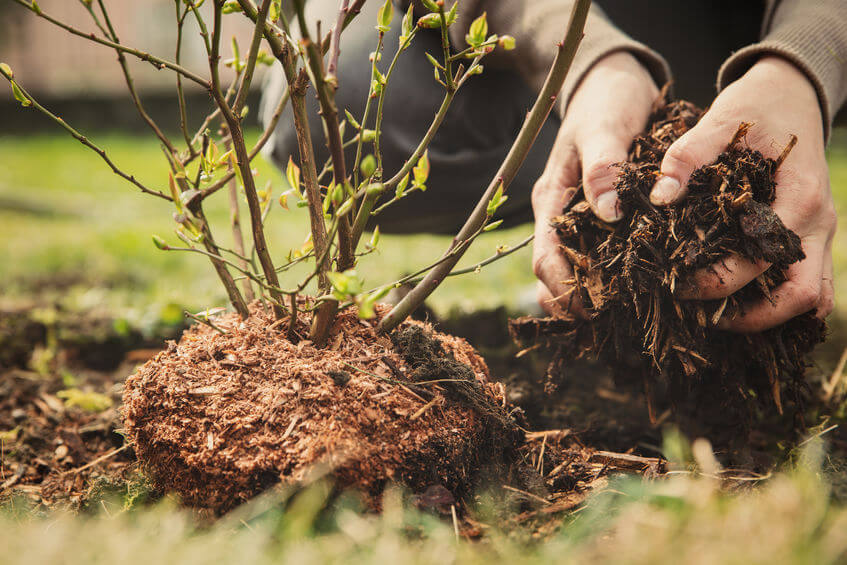
Mulch works best over moist soil when it isn’t frozen; timing and placement matter.
Do instead: Weed first, then mulch when soil is workable (not frozen) and moisture is present. Keep mulch off stems/crowns to reduce rot risk.
7) Ignoring frost heave (the “lifted plant” problem)
Freeze–thaw cycles can push shallow-rooted or newly planted perennials out of the ground, exposing crowns and roots. Iowa State notes fall-planted/divided perennials are especially susceptible their first winter, and mulch helps moderate soil temps and reduce heaving.
Do instead: Apply mulch after several hard frosts (common guidance for new perennials), and during thaws, gently press heaved plants back and re-mulch.
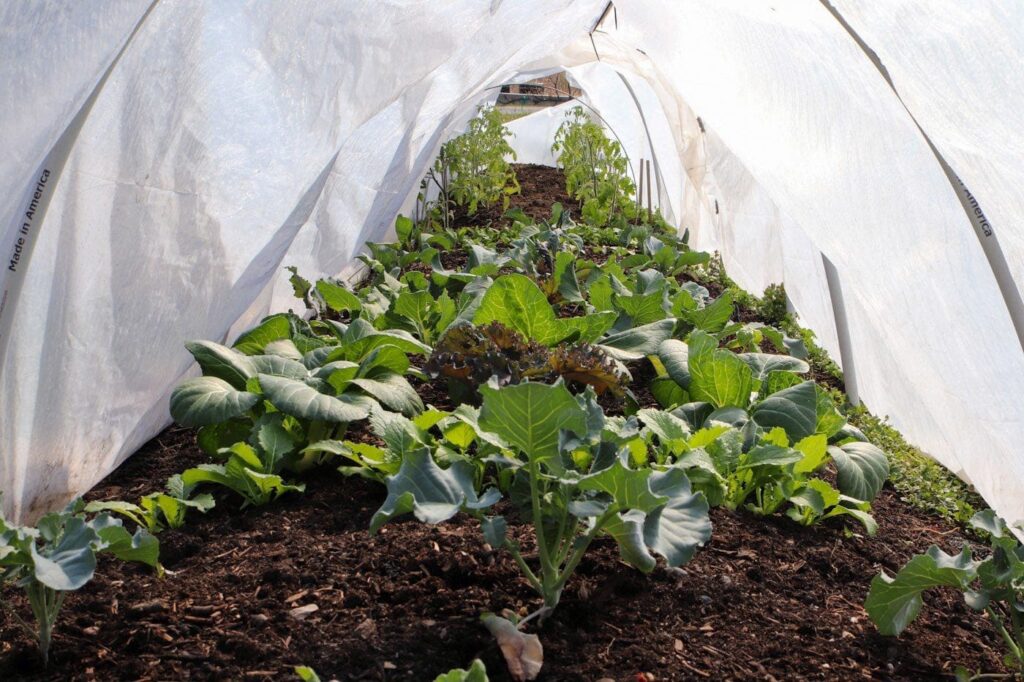
8) Using frost covers wrong (or leaving them on)
Covers that touch foliage can transfer cold; and if you leave covers on the next day, you can trap heat and humidity when temps rise. Iowa State recommends elevating covers so they don’t touch foliage and removing them the next day when temperatures rise above freezing.
Do instead: Use stakes/hoops, secure edges, and uncover once daytime temps recover.
9) Letting de-icing salts hit your landscape
Sodium chloride and salt spray can dehydrate plants and damage foliage and roots; evergreens near roads are often hit hardest.
Do instead: Use the minimum product needed, consider alternatives, and block spray with barriers (burlap/snow fencing) where practical.
10) Forgetting wildlife and rodent damage
Rabbits and other animals can strip bark and damage shrubs/young trees in winter. Iowa State recommends physical barriers like chicken wire or hardware cloth at adequate height (accounting for snow).
Do instead: Install guards/fencing before deep snow, and secure it so animals can’t slip underneath.
11) Wrapping trees incorrectly — or not removing wraps
Tree wraps can help prevent winter issues like sunscald/frost cracking in some regions and species, but leaving wraps on too long can create problems. Colorado State advises wrapping late fall and removing in early spring; wraps shouldn’t stay on year-round.
Do instead: Use proper, light-colored materials, monitor during winter, and remove on time.
12) Fertilizing at the wrong time (or on frozen soil)
Late-season fertilizing can stimulate tender new growth at the worst possible moment, and some extensions warn against applying fertilizer to frozen soil.
Do instead: Follow local guidance and soil tests; avoid timing that pushes soft growth heading into freezing weather.
Bottom line: Winter garden success isn’t about doing more — it’s about doing the right things at the right time. Protect soil structure, manage moisture wisely, avoid “helpful” pruning/mulching mistakes, and prevent predictable winter damage (salt, wind, wildlife). If you want, tell me your climate (e.g., Kathmandu-like winter vs. heavy frost/snow) and what you grow most, and I’ll tailor this into a zone-specific checklist.